
High blood pressure, also known as hypertension, is often referred to as the “silent killer” due to its lack of symptoms. Most individuals with hypertension feel completely fine and remain unaware of their condition unless they undergo a blood pressure check. This makes regular monitoring crucial for early detection and management.
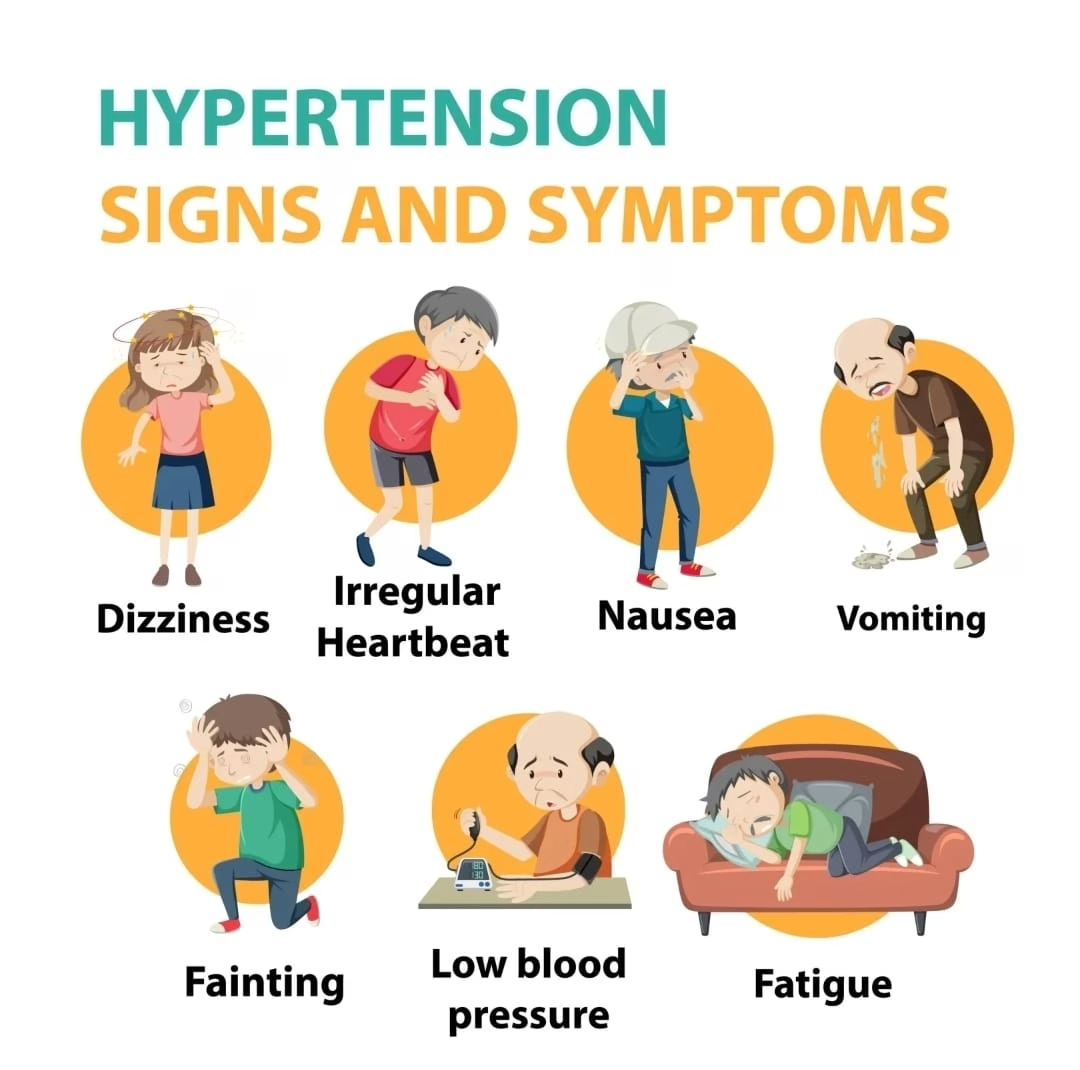
When blood pressure reaches extreme levels, a condition known as a hypertensive crisis can occur. This typically happens when the blood pressure rises to 180/120 mm Hg or higher and can manifest with several warning signs that require immediate emergency medical attention. These signs include a severe headache, chest pain, shortness of breath, dizziness or confusion, vision changes, and symptoms indicative of a stroke, such as weakness on one side of the body or difficulty speaking. Recognising these symptoms promptly can be life-saving.
Testing for high blood pressure is essential because it cannot be felt in daily life. The only reliable way to determine your blood pressure is by using a blood pressure monitor, which can be done at a clinic, pharmacy, or even at home. Regular testing is vital as untreated high blood pressure can lead to serious health complications over time, including heart attacks, strokes, and kidney damage.
In South Africa, hypertension is a prevalent issue, with more than one in three adults living with the condition. It is widely recognised as a “silent killer” because it typically does not present any symptoms or visible warning signs. The threshold for diagnosing high blood pressure in South Africa is a direct physical measurement of 140/90 mmHg or higher. This highlights the importance of regular blood pressure screenings to catch the condition early.
In addition to the common symptoms of a hypertensive crisis, there are rare signs that can also indicate extremely high blood pressure. These include severe morning headaches, dizziness or lightheadedness, blurred vision or other changes in eyesight, nosebleeds, and shortness of breath or chest pain. Being aware of these less common symptoms can also prompt individuals to seek medical attention.
For those in South Africa, there are several local screening and testing options available. Individuals can visit a local pharmacy, such as Clicks, Dis-Chem, or independent apothecaries, for a free or low-cost blood pressure screening. Additionally, consulting a general practitioner (GP) or visiting a local community healthcare clinic, which is part of the public sector primary-care system, can provide formal repeat blood pressure evaluations. These resources make it easier for individuals to monitor their blood pressure regularly and manage their health effectively.